 info@Blastpit.com.au
 02 7208 5048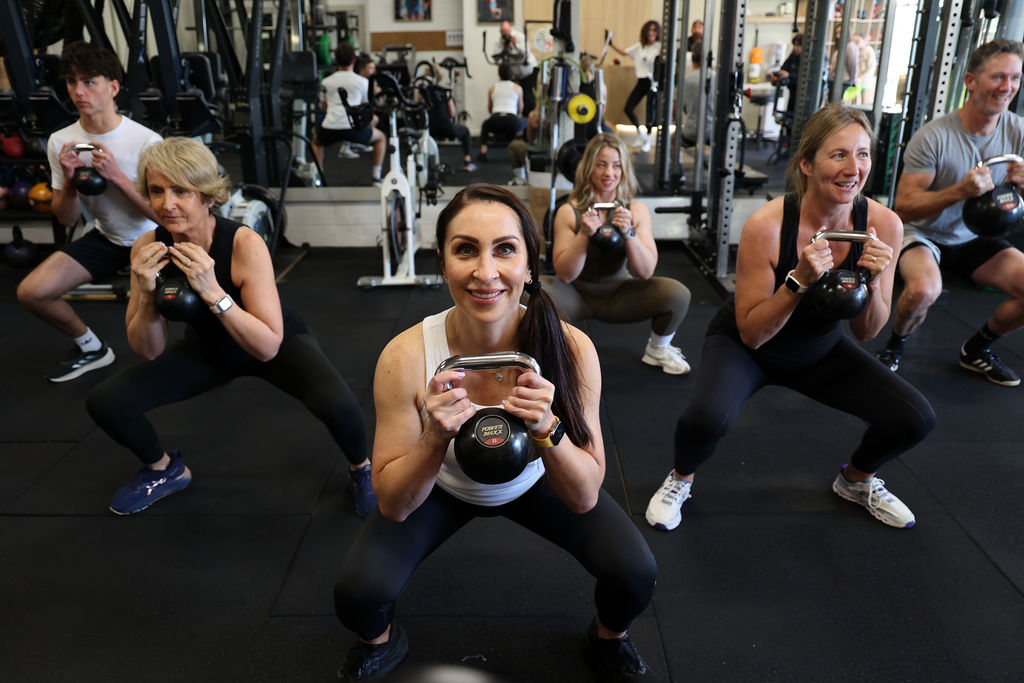
If as a woman training suddenly feels harder, your body composition is changing despite doing all the “right” things, or your energy and motivation come and go without warning, you are not imagining it.
Perimenopause and menopause change how your body responds to exercise, stress and recovery. What worked in your 30s often stops working in your 40s and 50s. That does not mean you should give up. It means you need a smarter approach.
At BLAST PIT Fitness & Empowerment, our fitness trainers work with women every day who want to feel strong, capable and confident through midlife and beyond. This guide explains what is actually happening in your body and how to train in a way that supports your hormones, joints and long term health.
What Changes in the Body During Perimenopause and Menopause
Perimenopause can begin years before menopause itself. Hormone levels fluctuate rather than decline smoothly, which is why symptoms can feel unpredictable.
Common changes include:
- Reduced oestrogen affecting muscle, bone density and joint health
- Increased sensitivity to stress and higher cortisol levels
- Slower recovery from intense training
- Changes in fat distribution, particularly around the middle
- Sleep disruption and fatigue
These changes do not mean your body is failing. They mean your training and recovery need to evolve.
Why Traditional Fitness Advice Stops Working at This Stage
Many women are told to eat less, do more cardio and push harder when results slow down. This advice often backfires during perimenopause and menopause.
Excessive cardio raises stress
Long, frequent cardio sessions can increase cortisol, making fat loss harder and recovery poorer.
Under eating and over training
Too few calories combined with high training loads signals stress, not strength, to the body.
Ignoring recovery
Sleep, rest and nervous system regulation are no longer optional but foundational.
If you feel exhausted, inflamed or stuck despite training regularly, it is not a willpower issue but a strategy one that can be fixed through physiotherapy, nutrition and proper fitness regime.
Why Strength Training Is the Foundation During Menopause
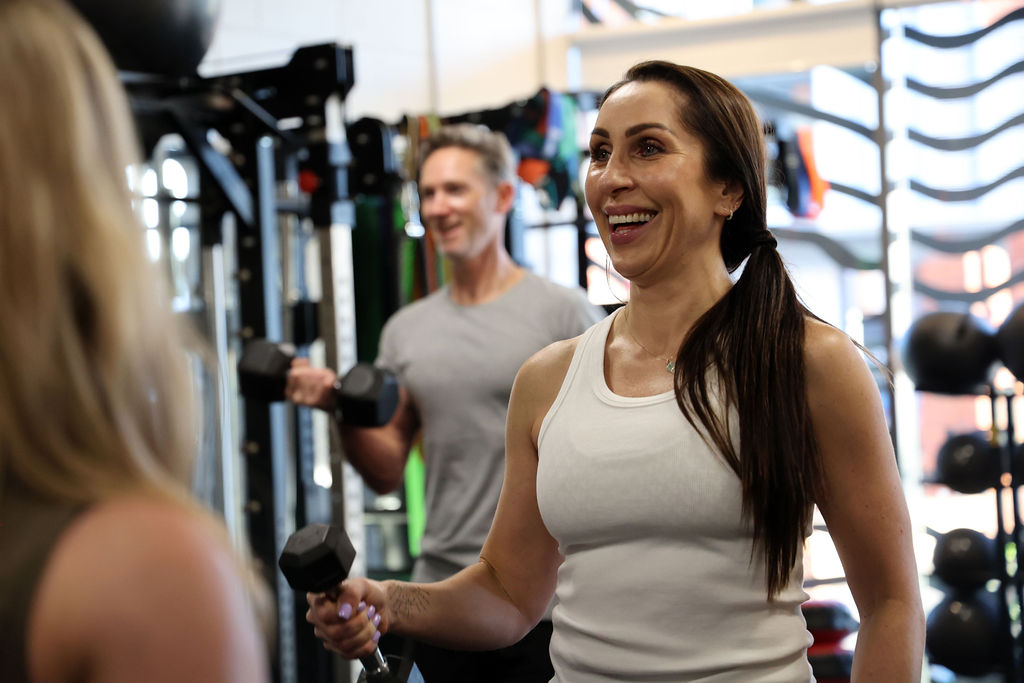
Strength training is one of the most powerful tools for women in midlife.
It helps to:
- Preserve and build lean muscle
- Support metabolism and insulin sensitivity
- Improve bone density and reduce fracture risk
- Strengthen joints and connective tissue
- Build confidence and body trust
Lifting weights is not about becoming bulky but about becoming resilient. Strong muscles support hormones, posture and everyday movement.
How to Train Smarter Through Perimenopause and Menopause
Training well during this phase is about quality, not punishment.
Lift heavy enough, safely
Challenging resistance sends a strong signal to maintain muscle and bone. Technique and progression matter more than chasing numbers.
Train fewer days, with intention
Three to four well structured sessions per week often outperform daily high intensity workouts.
Adjust intensity when needed
Some weeks your body will feel capable, others it will not. Both are normal. Deloading is not failure, it is strategy.
Prioritise recovery between sessions
Your body adapts when it feels safe. Recovery supports that process.
Coached training environments make this easier, removing guesswork and self doubt.
The Role of Recovery in Hormonal Health
Recovery is where many women see the biggest shift in how they feel.
Supportive recovery practices help:
- Lower stress hormones
- Improve sleep quality
- Reduce inflammation
- Support nervous system balance
Tools like sauna, cold exposure, mobility work and breath focused recovery can be powerful when used appropriately. Recovery is not indulgent. It is productive.
What a Supportive Training Environment for Midlife Women Looks Like
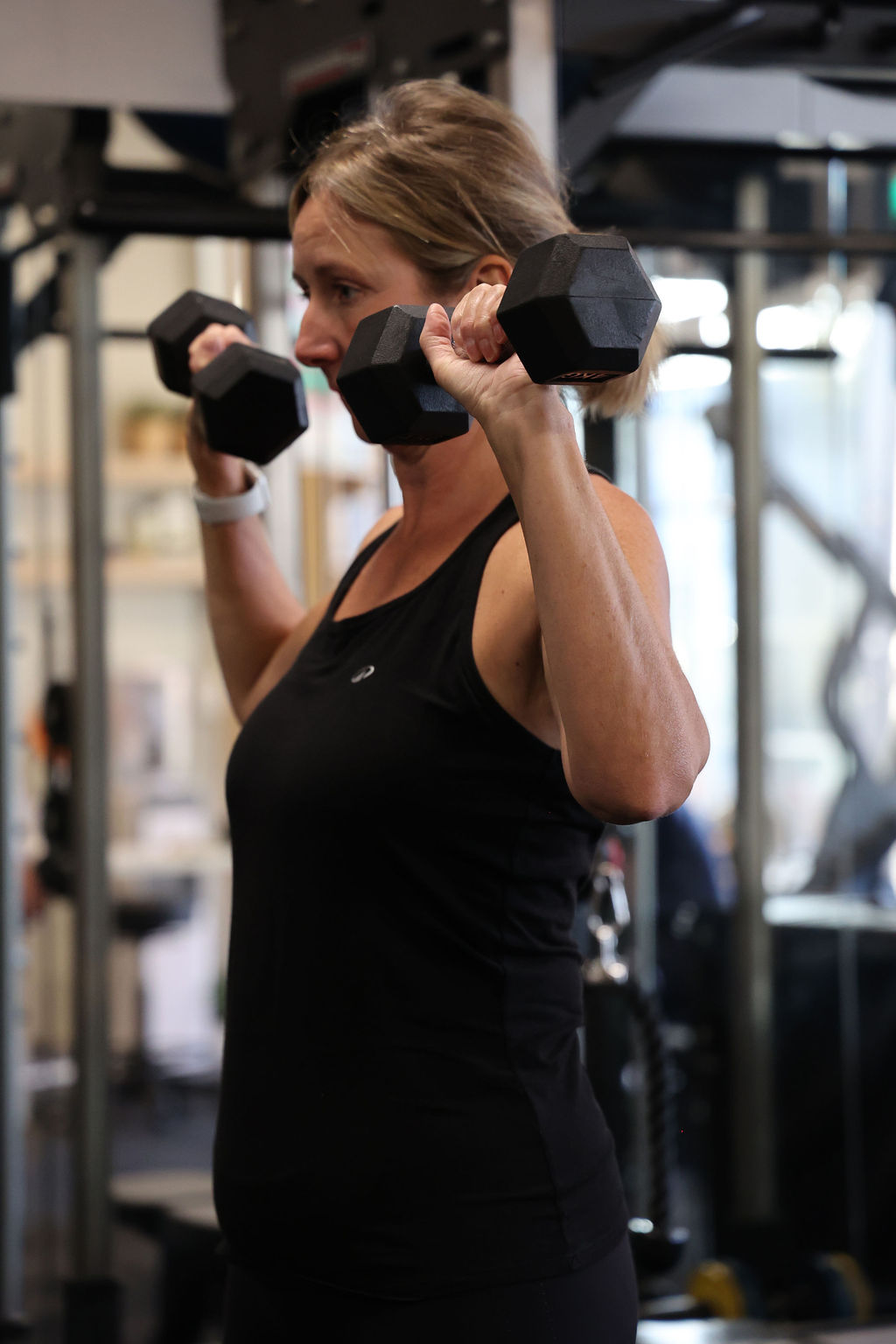
The right environment and fitness trainer matters just as much as the program.
Supportive training spaces:
- Are judgement free and welcoming
- Focus on education, not intimidation
- Understand midlife physiology
- Build community and accountability
- Train for longevity, not aesthetics alone
You deserve to feel safe, capable and supported while you train.
Strong. Supported. In Control.
If you are navigating perimenopause or menopause and want to feel strong again, the right training approach makes all the difference.
Start with:
- A free 30 minute movement assessment
- A $10 gym trial for 10 days. You will experience training that meets you where you are
Strength does not disappear in midlife, it just needs the right conditions to grow. Mark the beginning of this journey with our personal training sessions.
Frequently Asked Questions
Is strength training safe during perimenopause and menopause?
Yes. It is one of the safest and most beneficial forms of exercise when coached appropriately.
How often should I train?
Most women thrive on three to four sessions per week, with recovery built in.
Can training help with weight gain during menopause?
Yes. Strength training supports metabolism and body composition when combined with smart recovery and nutrition.
Do I need a hormone specific program?
You need a program developed in collaboration with your nutritionist and personal trainer that understands hormonal changes and adapts training accordingly, not a one size fits all plan.