 info@Blastpit.com.au
 02 7208 5048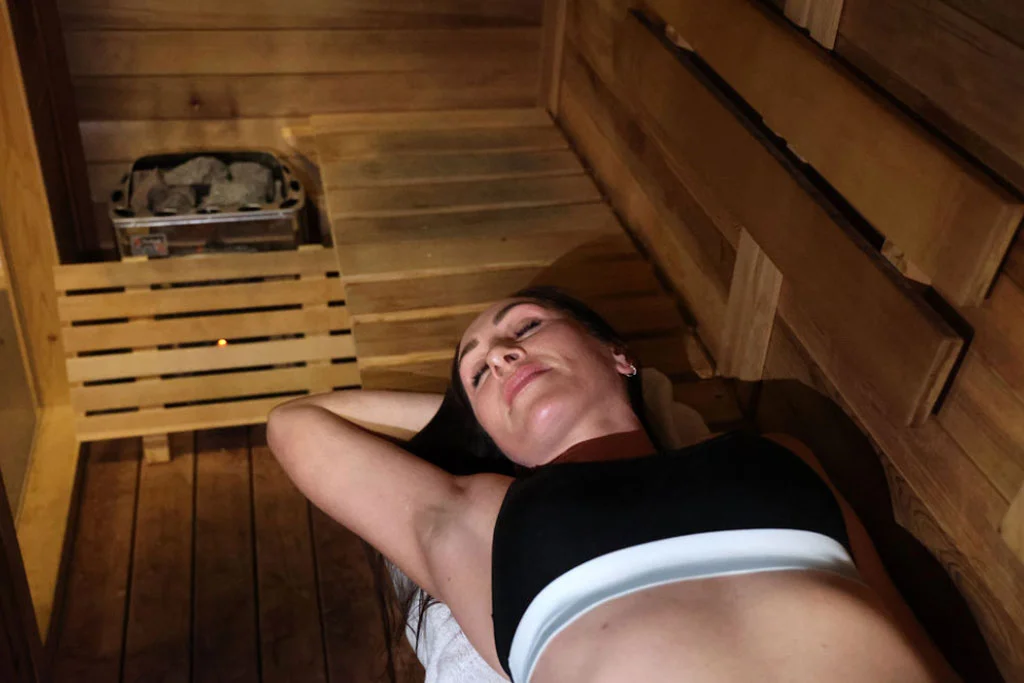
If you are training consistently but feeling more tired, sore or flat than you used to, the problem is probably not your motivation or your work ethic, it is your recovery.
After 40, your body does not bounce back the way it once did. Stress loads are higher, sleep is often lighter, hormones shift and tissues take longer to repair. Training harder without improving recovery does not lead to better results. It leads to burnout, injuries and frustration.
At BLAST PIT Fitness & Empowerment, recovery is not an afterthought. It is built into how we train, how we program and how our members get results that actually last. For your understanding, let’s have a closer look at the role that recovery plays in a fitness journey post a certain age.
What Recovery Actually Means (And What It Is Not)
Recovery is often misunderstood. It is not:
- Doing nothing for weeks at a time
- Only resting when you are injured
- A luxury for elite athletes
Recovery is:
- The process that allows your body to adapt to training
- How muscle repairs and grows
- How joints stay healthy
- How your nervous system resets
- How stress is managed
Without recovery, training is just stress. With recovery, training becomes progress.
Why Recovery Needs Change After 40
As we age, several things shift under the hood –
Slower tissue repair
Muscles, tendons and connective tissue take longer to recover from load.
Increased stress sensitivity
Work, family and life pressures raise baseline stress levels, even before training.
Hormonal changes
Shifts in hormones affect sleep quality, inflammation and recovery capacity.
Less margin for error
You can no longer out train poor sleep, poor nutrition and constant high intensity.
This does not mean you should train less forever. It means recovery must be intentional.
The Cost of Ignoring Recovery
Most people only start thinking about recovery when something goes wrong. But ignoring recovery can lead to:
- Persistent joint pain
- Recurrent injuries
- Fatigue and low motivation
- Poor sleep
- Plateaued strength and body composition
- Feeling older than you actually are
These are not signs that training has failed you but signs that recovery has been missing.

What Proper Recovery Looks Like After 40
Recovery is not one thing. It is a system which comes at the core of our personal training sessions.
1. Smart training volume and intensity
Not every session should push you to your limit. Well designed programs (a blend of remedial massage, cupping therapy, sauna and ice bath and more) balance hard days with supportive ones.
2. Nervous system regulation
Stress is cumulative – training, work, screens and poor sleep all load the nervous system. Recovery helps bring it back into balance.
3. Sleep as a priority
Sleep is the most powerful recovery tool available. Training should support better sleep, not sabotage it.
4. Movement based recovery
Mobility work, light movement and circulation support help tissues recover without adding stress.
5. Recovery tools used with purpose
Sauna and ice bath, remedial massage, cold exposure and hands-on therapies work best when used strategically, not randomly.
Sauna and Cold Exposure, Why They Work
Used correctly, saunas and ice baths can be powerful recovery tools.
Sauna benefits
- Improves circulation
- Supports muscle relaxation
- Reduces stress
- Can improve sleep quality
Cold exposure/ice bath benefits
- Helps manage inflammation
- Builds nervous system resilience
- Improves recovery perception
- Supports mental toughness
Contrast therapy, alternating heat and cold, can be especially effective for people training regularly after 40. The key is timing and dosage. Remember, more is not always better.
Recovery Is Not Just Physical
One of the biggest mistakes people make is thinking recovery is only about muscles.
Recovery also supports:
- Mood and mental clarity
- Emotional regulation
- Motivation and consistency
- Confidence in your body
When recovery improves, training feels enjoyable again instead of exhausting.
How Often Should You Prioritise Recovery?
Recovery is not something you schedule once a month. It is something you layer into your week.
For most people over 40:
- Recovery should be addressed daily in small ways
- One to three dedicated recovery sessions per week can be transformative
- Training and recovery should work together, not compete
The goal is not to do less but to do what your body can adapt to consistently.
What a Recovery Focused Gym Does Differently
A recovery focused gym and personal training sessions do not separate training and recovery, it integrates them.
That means:
- Programming that respects stress and recovery
- Access to sauna and cold exposure
- Coaches who understand midlife bodies
- An environment that values longevity over punishment
- Education around listening to your body without fear
This approach is how people train for years, not just weeks.
Recover Better. Train Longer. Feel Stronger.
If you want strength, energy and confidence after 40, recovery is not optional but essential.
Start with:
- A $10 introductory sauna and ice bath session
- A $10 gym trial for 10 days
- A conversation with a coach about how to train and recover smarter
You do not need to slow down. You just need the right balance and you can find it with our personal training sessions at Blast Pit. Get in touch with us for more information.
Frequently Asked Questions
Is recovery really that important if I am only training a few days a week?
Yes. Recovery supports how your body responds to all stress, not just training.
Can sauna and ice baths replace rest days?
No. They support recovery but do not replace sleep, nutrition or smart programming.
How quickly should I feel the benefits of better recovery?
Many people notice improvements in sleep, soreness and energy within one to two weeks.
Is recovery just for people who train hard?
No. Anyone experiencing stress, fatigue or aches can benefit from structured recovery.